For many years, stabilizing prostheses and dentures has been a key challenge—and even a dream—for dental professionals.
Due to the advancement of implantology, we have finally been able to achieve a new level of stability. However, bone support often remains compromised, frequently affected by the presence of cysts and infections.
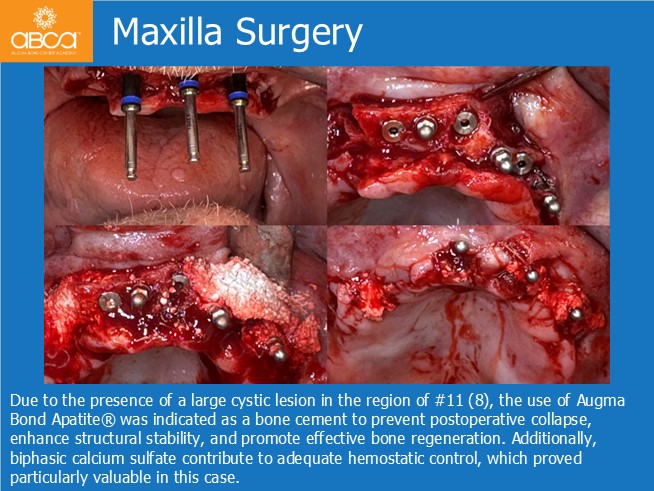
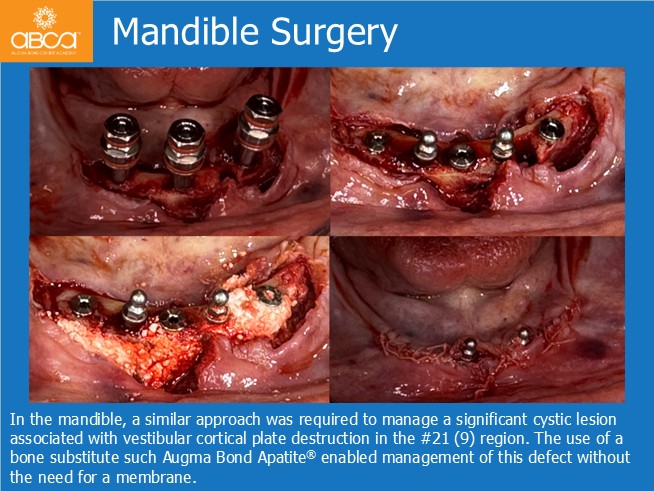
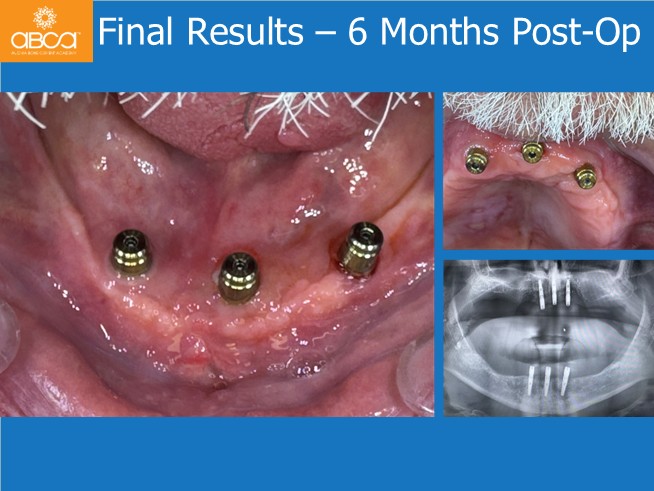
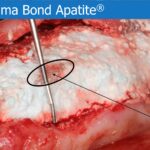
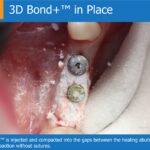
By using materials such as biphasic calcium sulfate—without the need for a membrane—we can now rebuild a stable bone crest. This enables successful implant integration and promotes the regeneration of bone at the site, while preventing postoperative collapse that could otherwise compromise prosthetic stability.
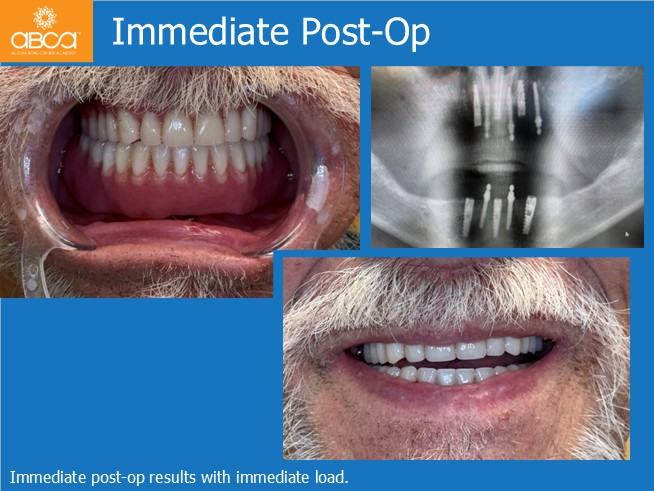
The application of immediate extraction-implantation protocols can now be enhanced by the use of new grafting materials.
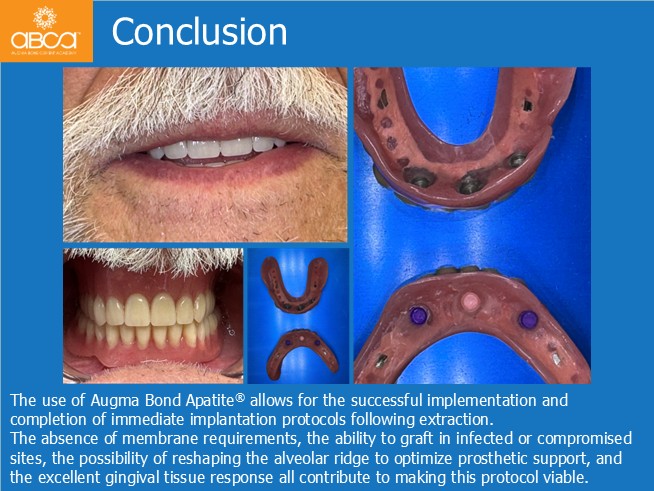
The absence of membranes, combined with effective infection control, allows for a simplified surgical procedure, improved management of postoperative outcomes, better stabilization of hemostasis, and the immediate placement of implants in sites that might otherwise have been considered compromised.